



By Marcus Nkire
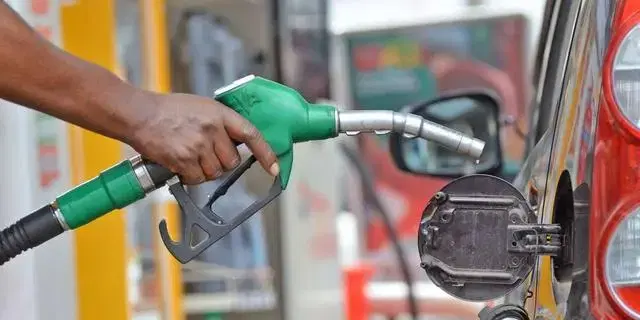
When the price of petrol rises in Nigeria, it doesn’t just affect cars at the filling station. It sends shockwaves through the price of food in the market, the fare of the bus conductor, the cost of running a shop, and even the mood of an entire city.
In recent months, Nigerians have watched pump prices soar, again. For a country that is Africa’s largest oil producer, it seems a bitter irony: how can a nation awash with crude make fuel so expensive for its own people? The answer lies in Nigeria’s long, complicated and controversial relationship with fuel subsidies.
A Legacy Too Heavy to Carry
For decades, Nigeria’s government has shielded citizens from the full brunt of global oil prices by paying part of the cost of petrol. On paper, it was a policy to ensure affordability for ordinary Nigerians. In reality, it became one of the country’s most expensive habits.
Subsidies consumed trillions of naira annually, eating deep into government revenues. Critics said it was unsustainable, plagued by corruption and leakages. Supporters argued it was one of the few tangible benefits ordinary Nigerians enjoyed from the nation’s oil wealth.
The debate always circled back to the same question: could Nigeria afford to keep the subsidy, and could Nigerians afford to lose it?
When Subsidy Meets Austerity
That question has never been sharper than it is today. Faced with a weak naira, soaring debt repayments and dwindling revenues, Nigeria’s government moved to scrap the fuel subsidy. It was a painful but, officials argued, necessary decision.
The consequences were immediate. Petrol prices more than tripled at some points, transport fares skyrocketed, and food prices followed. The World Food Programme has already warned that more than 30 million Nigerians are facing acute food insecurity this year, with rising fuel costs one of the major drivers.
In Lagos, commuters squeezed into overcrowded danfos complain bitterly about paying nearly double their old fares. In Kano, farmers say getting produce to market costs more than it’s worth. Across the country, families are cutting back — less meat, fewer trips, more worry.
The Human Cost
“Everything is linked to petrol,” says Chinyere, a small trader in Abuja who relies on a generator to run her shop. “No light, so we use fuel. No bus, so we use keke. But when the price goes up, it is like our whole life goes up too.”
Her story is echoed by millions. The poor are hardest hit. They spend a larger share of their income on transport and food, and have no savings to cushion the shock. For them, subsidy removal feels less like economic reform and more like economic punishment.
Even the middle class, who once believed they could weather such storms, are feeling the pinch. “It’s not just about fuel,” says a civil servant in Enugu. “School fees are up, rice is up, garri is up. Every day feels like a battle.”
Government’s Dilemma
Yet the government insists there is no turning back. Officials argue that continuing subsidies would bankrupt the country, consuming money that should go into schools, hospitals and infrastructure. They point out that subsidies often benefited smugglers and the wealthy more than the poor.
But politics complicates economics. Fuel prices are not just about numbers on a balance sheet; they are about trust. Many Nigerians ask: if subsidy savings are real, why don’t they see improvements in their lives? Where is the new school, the working hospital, the cheaper transport system?
The anger is rooted in history. Previous promises to redirect subsidy funds into social programs often fizzled out in bureaucratic mismanagement or corruption scandals. That legacy makes every new reform harder to sell.
What Can Be Done?
Experts say there are ways to ease the pain without going back to blanket subsidies.
- Targeted cash transfers could put money directly into the hands of the poorest households.
- Support for public transport would ensure millions of commuters aren’t priced out of work and school.
- Investment in local refining could reduce the reliance on imported petrol and shield Nigeria from currency swings.
- And perhaps most importantly, credible governance and transparency would convince Nigerians that the sacrifices they are making today are building a better tomorrow.
A Nation in Waiting
For now, Nigerians continue to queue at filling stations, wallets lighter, tempers shorter. The subsidy era is fading, but the alternative is still uncertain.
Fuel subsidies were always more than just an economic policy; they were part of Nigeria’s social contract. Removing them has torn at that fabric, exposing the fragility of a nation trying to balance books while its citizens struggle to balance daily survival.
The question that lingers is whether the government can turn this painful transition into genuine reform — or whether Nigerians will be left, once again, paying the price for promises unkept.
R7bets… Betting game website. Not diving in myself, but if you’re looking to place a wager check them out. Remember to gamble responsibly, friends! You can find it here: r7bets
Need my fix of ‘trực tiếp gà chọi c1’! Hoping for some good live fights. Fingers crossed this link works! trực tiếp gà chọi c1.
Great wordpress blog here.. It’s hard to find quality writing like yours these days. I really appreciate people like you! take care