



By Marcus Nkire
October 2025
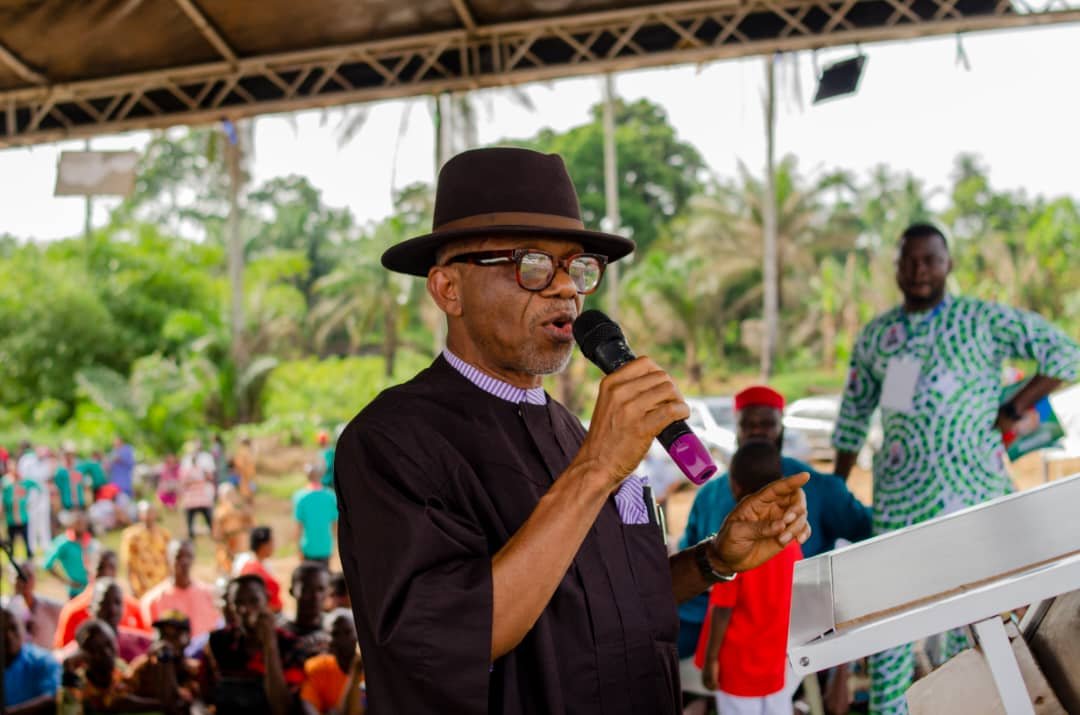
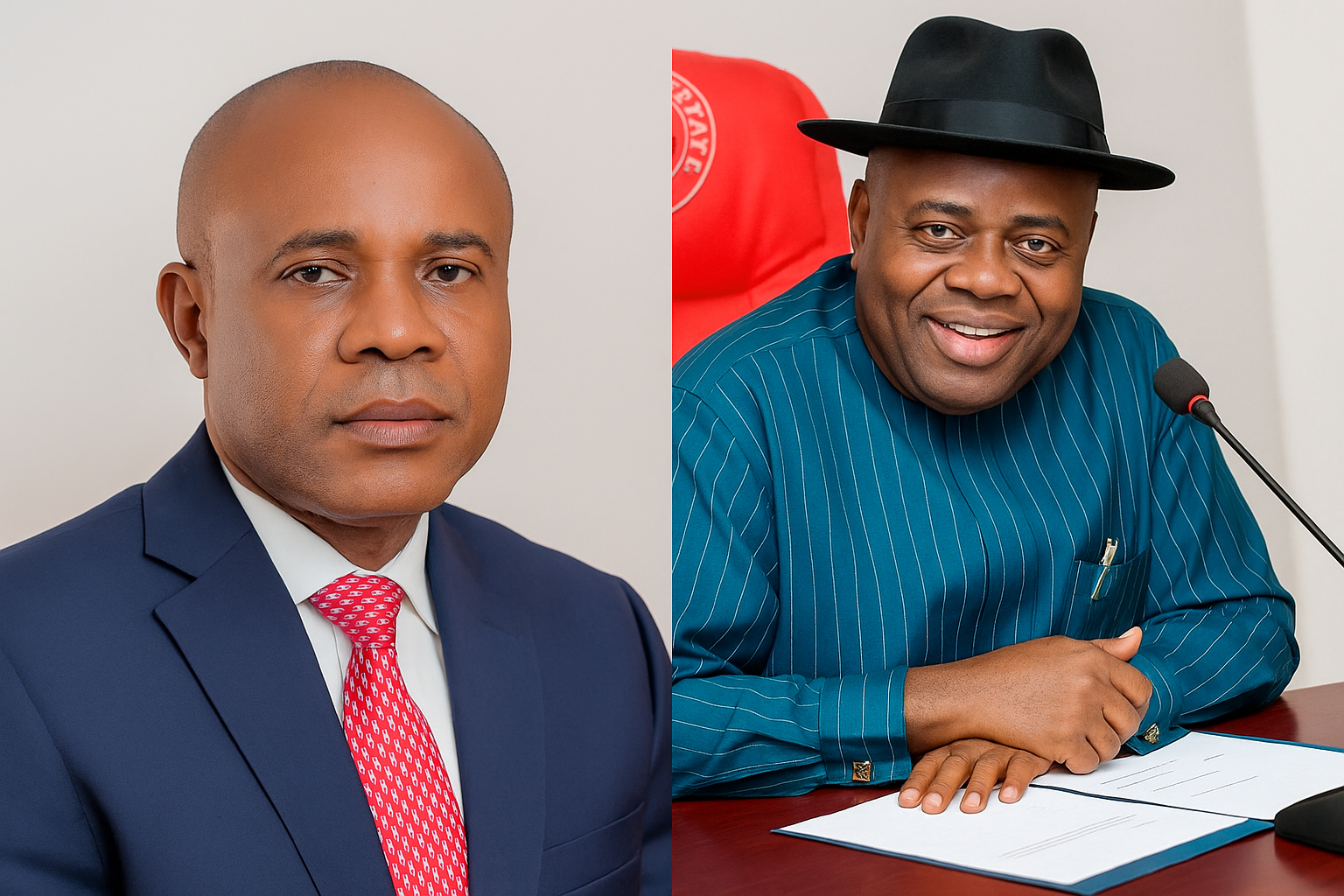
In a major political shake-up that has sent ripples across Nigeria’s political spectrum, the governors of Enugu and Bayelsa States have officially defected from the Peoples Democratic Party (PDP) to the All Progressives Congress (APC) — a move analysts say could significantly alter the balance of power ahead of the 2027 general elections.
The defections, coming barely two years before Nigerians head to the polls, bolster the ruling party’s grip on both the South-East and South-South regions — two zones that have historically served as strongholds for the opposition PDP since the return to democracy in 1999.
Boost for the Ruling Party
For the APC, the twin defections represent a symbolic and strategic victory. The party, which already controls a majority of states in the North and South-West, has long sought deeper inroads into the South-East and South-South — regions where it has struggled to gain widespread acceptance.
Political analysts view the development as part of President Bola Ahmed Tinubu’s broader consolidation strategy ahead of 2027. By bringing Enugu and Bayelsa into the APC fold, Tinubu’s camp strengthens its regional presence and potentially gains access to grassroots structures that could prove decisive in the next election cycle.
“This move signals a unification of political interests around the ruling party,” said Dr. Ifeanyi Okorie, a political analyst based in Nsukka. “It’s not just about defections; it’s about control of political machinery. With Enugu and Bayelsa now under the APC, the party’s influence in the southern corridor has deepened.”
A Heavy Blow for the PDP
For the PDP, this is yet another major setback. Once dominant across Nigeria, the party has in recent years struggled to retain cohesion and maintain its base amid leadership crises and defections.
The loss of two governors — particularly from regions considered PDP heartlands — could further weaken its credibility and negotiating power ahead of 2027.
Observers note that the defections reflect growing frustration within PDP ranks, with some members expressing dissatisfaction over internal power struggles and the party’s slow adaptation to the post-2023 political realities.
“This is a wake-up call for the PDP,” noted Hassan Usman, a political columnist. “The party needs urgent reorganization and a clear message that resonates with Nigerians. Otherwise, it risks being reduced to a regional outfit rather than a national alternative.”
What Nigerians Stand to Gain
Beyond party politics, the defections could present opportunities — and challenges — for ordinary Nigerians.
If managed responsibly, the integration of Enugu and Bayelsa into the ruling party could foster stronger cooperation between state and federal governments, potentially attracting more developmental projects and federal attention to these states.
Already, both governors have hinted that their move was driven by a desire to ensure better alignment with federal policies and access to resources for their people.
However, critics warn that such political realignments often serve elite interests more than public welfare. “Defections shouldn’t just be about political survival,”
100wim, huh? New player on the scene? Gonna give you a shot. Hope the website is smooth and doesn’t lag! 100wim
Having a blast with fun88bong88! Great selection of games and always something new to try. The promotions are also a nice bonus. Check it out, you won’t regret it! fun88bong88
It is in point of fact a nice and useful piece of information. I’m satisfied that you just shared this useful info with us. Please stay us up to date like this. Thanks for sharing.
It’s really a cool and helpful piece of info. I’m glad that you shared this useful information with us. Please keep us informed like this. Thanks for sharing.