



From Lauretta Chika
A routine ATM visit turned into a weeks-long financial dispute for a Southern California woman, whose $10,000 check deposit never appeared in her bank account and wasn’t resolved until she sought help from WRAL’s 5 On Your Side.
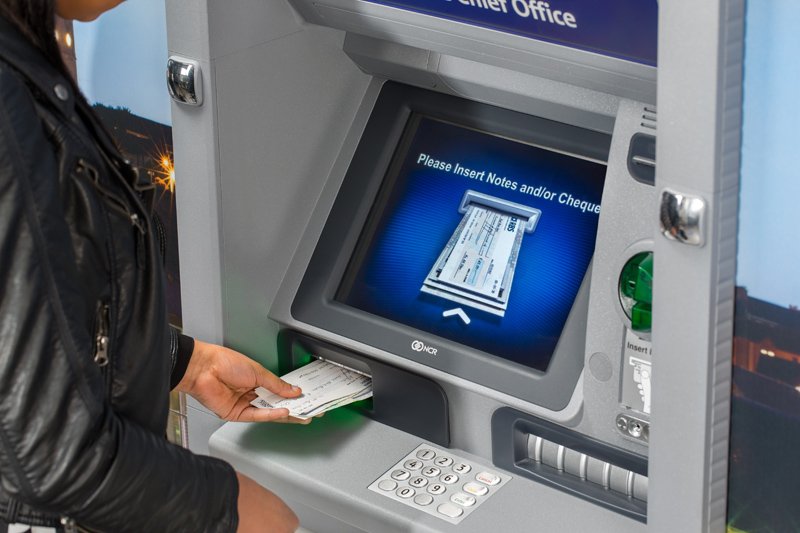
Marilynn Loveless deposited the check—money she had received following a family death—at a Wells Fargo ATM. She expected the transaction to process normally. Instead, she said the machine accepted the check but did not print a receipt, something she immediately found unusual.
Loveless planned to sort it out the next day at her local branch. When she returned, she said bank staff informed her the deposit had been placed on hold and was under investigation. She recalled asking for the check back, only to be told the bank could not return it and would not clarify where it was.
What she hoped would be a brief delay stretched into more than a month. With no updates and no access to the funds, Loveless searched online for consumer-help resources. Although she lives in California, she happened upon a submission form for WRAL’s 5 On Your Side team and decided to reach out.
5 On Your Side asked Wells Fargo for an explanation for the extended hold and the lack of communication. While the bank did not provide details about what caused the delay, it confirmed that the case had been escalated. Weeks later, the funds were finally released to Loveless.
She said she was surprised by how quickly someone contacted her.
She said the resolution was especially meaningful because the money had been left to her by her 96-year-old aunt.
Consumer advocates note that Loveless did nothing wrong but emphasize that large deposits are often best handled inside a branch with a live teller, or at least at an ATM located within a bank building, where machines are serviced more frequently. Problems can be harder to resolve when deposits are made at standalone or off-network ATMs.
Federal guidelines from the Consumer Financial Protection Bureau generally require that banks make funds from ATM check deposits available within five business days, though holds can be extended under certain circumstances.