



INEC decision on ADC leadership sparks nationwide backlash, deepens political tensions
A wave of controversy has erupted across Nigeria following the move by the Independent National Electoral Commission (INEC) to withdraw recognition of David Mark and Rauf Aregbesola as National Chairman and National Secretary of the African Democratic Congress (ADC).
The decision has triggered sharp divisions within the political space, with opposition figures accusing the ruling All Progressives Congress (APC) of attempting to weaken rival parties ahead of the 2027 elections.
However, the APC and the Presidency have dismissed the allegations, insisting the development stems from internal issues within the ADC.
Amid rising tensions, security personnel were deployed around INEC’s headquarters in Abuja to prevent clashes between rival groups planning protests. Despite the commission’s stance that it would not recognise or supervise activities led by the disputed leadership, ADC officials declared their intention to proceed with scheduled congresses and a national convention.
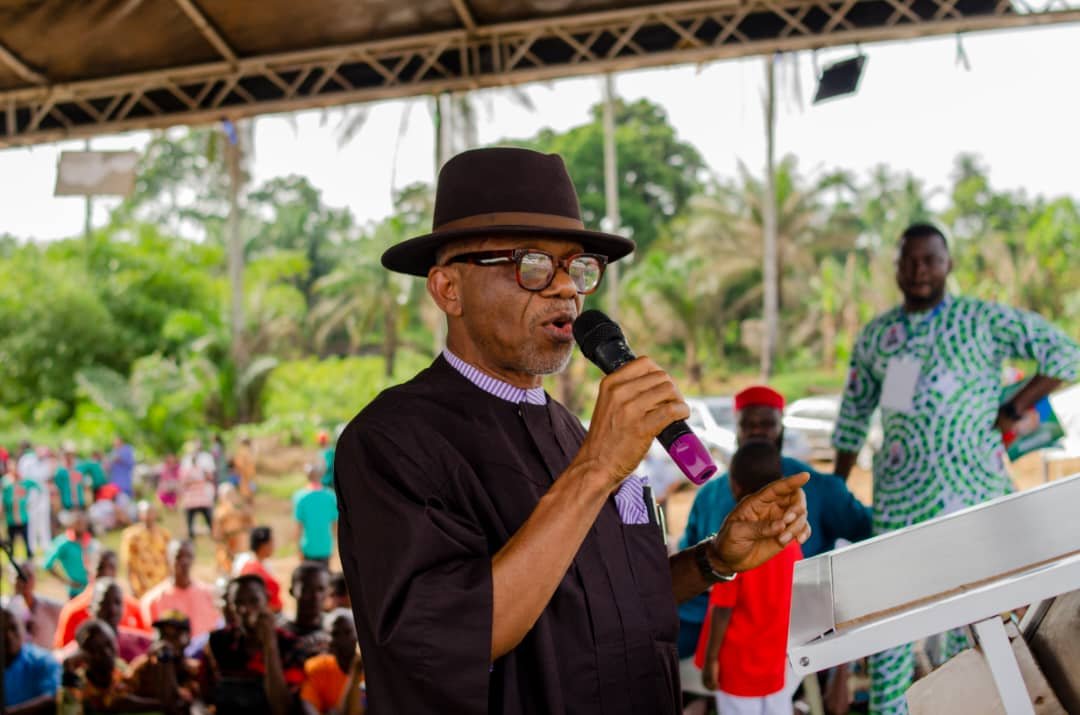
At a press briefing, Mark and other party leaders criticised the move, questioning why the administration of Bola Tinubu would feel threatened despite controlling a majority of political structures nationwide. They warned that INEC’s action could undermine multiparty democracy and restrict the party’s participation in upcoming elections, particularly in Osun and Ekiti states.
INEC, however, maintained that its decision was guided by ongoing legal proceedings concerning the party’s leadership. The commission said it would refrain from recognising any faction until the matter is resolved in court, stressing that acting otherwise could amount to contempt. It also rejected calls for the removal of its chairman, noting that such a process is constitutionally defined.
The APC, through its spokesperson, argued that the crisis within the ADC was self-inflicted, describing the emergence of Mark and Aregbesola as irregular. The party insisted that INEC’s position aligns with the law and should not be politicised.
Similarly, the Presidency downplayed accusations of interference, suggesting that ADC leaders misunderstood the legal principle of maintaining the “status quo” as directed by the court.
Meanwhile, prominent opposition voices, including Peter Obi, civil society groups, and regional organisations, condemned the development. Some warned that the situation reflects a broader pattern that could erode democratic competition, while others urged INEC to remain neutral to preserve public trust.
The Peoples Democratic Party and other stakeholders also expressed concern, describing the situation as a potential threat to credible elections. They cautioned that actions perceived as biased could heighten political tensions as the next electoral cycle approaches.
Despite the uncertainty, ADC leaders insist they will continue their political activities, arguing that the law does not require INEC’s presence for internal party processes. The unfolding dispute is expected to remain a major flashpoint in Nigeria’s political landscape in the coming months.
When I originally commented I clicked the -Notify me when new comments are added- checkbox and now each time a comment is added I get four emails with the same comment. Is there any way you can remove me from that service? Thanks!
Hello just wanted to give you a quick heads up and let you know a few of the pictures aren’t loading properly. I’m not sure why but I think its a linking issue. I’ve tried it in two different internet browsers and both show the same outcome.
The gaming experience here is top notch. I really appreciate how fast the loading times are. Definitely my new favorite spot, check out bdjoya9gems if you want some real excitement.