




From Marcus Nkire
In a country where a visit to the pharmacy increasingly feels like a confrontation with harsh economic reality, a growing number of Nigerians are being forced to choose between treatment and survival. From urban centres to remote villages, the rising cost of medicines has quietly evolved into a full-blown public health emergency, one that now commands urgent legislative attention.
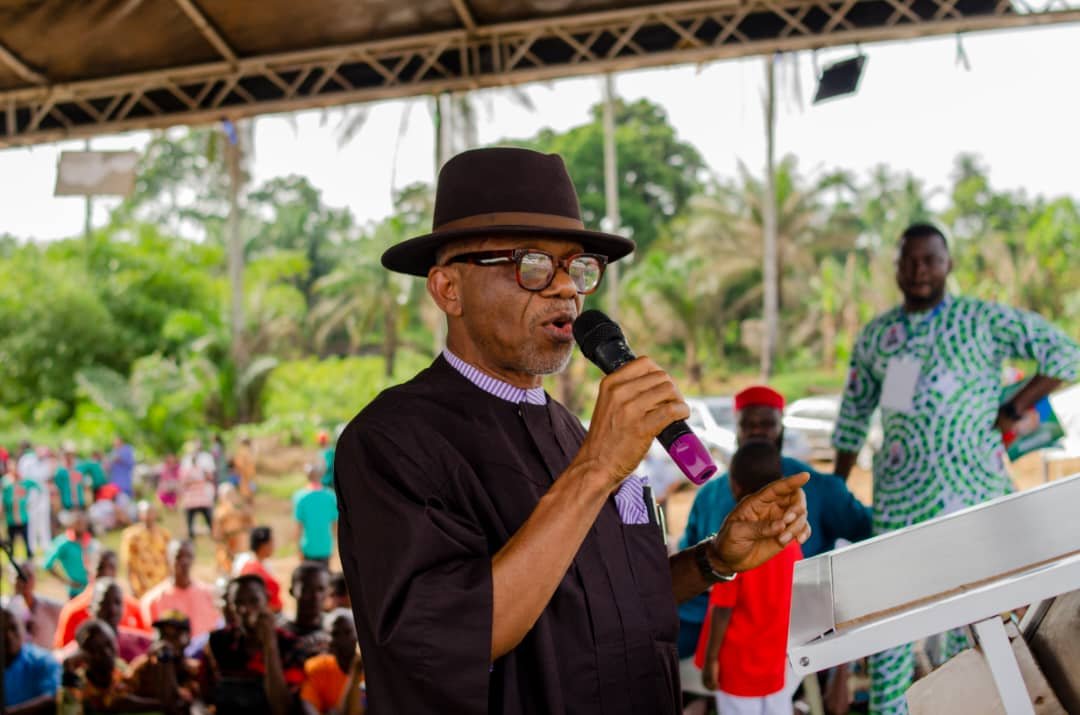
At the heart of this intervention is Alex Ikwechegh, a member of the House of Representatives, who recently sponsored a motion addressing the spiralling cost of drugs and the urgent need to revive local pharmaceutical production. His move reflects not just a policy concern, but a response to a crisis that has been years in the making.
A Healthcare System Under Pressure
Nigeria’s healthcare system has long struggled under the weight of underfunding, weak infrastructure, and inequitable access. Even before the current economic downturn, millions of Nigerians faced difficulty accessing basic medical care. Public hospitals are often overstretched, while private healthcare, though more efficient, is largely unaffordable for the average citizen.
Now, the situation has worsened dramatically. The cost of essential medicines has surged by as much as 300 to 500 percent, placing life-saving drugs beyond the reach of ordinary Nigerians. For patients managing chronic conditions such as hypertension, diabetes, or asthma, this spike is not just inconvenient, it is life-threatening.
Ikwechegh’s motion draws attention to this grim reality, warning that healthcare is becoming increasingly inaccessible, particularly for those in rural and underserved communities where alternatives are limited or non-existent.
The Economic Roots of a Health Crisis
The current surge in drug prices is not happening in isolation. It is deeply tied to Nigeria’s broader economic challenges.
Inflation has eroded purchasing power across all sectors, but its impact on healthcare is especially severe. Medicines, unlike other goods, are not optional—yet they are now priced as though they are luxuries.
Compounding this is Nigeria’s heavy reliance on imported pharmaceuticals. A significant percentage of drugs consumed in the country are sourced from abroad, making the sector highly vulnerable to exchange rate fluctuations. With the persistent devaluation of the naira, importers now spend far more to bring in the same products, costs which are inevitably passed on to consumers.
Supply chain disruptions; both global and domestic have further tightened availability, while economic austerity measures have limited government capacity to cushion the impact. The result is a perfect storm where scarcity meets unaffordability.
Why Ikwechegh’s Motion Matters
What sets Ikwechegh’s proposal apart is its focus on long-term structural change rather than temporary relief. By calling for the urgent revival of local pharmaceutical manufacturing, the motion addresses the root of Nigeria’s vulnerability: overdependence on imports.
Strengthening domestic production could stabilize prices, create jobs, and ensure a more reliable supply of essential medicines. It also aligns with broader national goals of economic diversification and self-sufficiency.
Beyond this motion, Ikwechegh has built a reputation for constituency-focused interventions, particularly in areas tied to economic empowerment and social welfare. His advocacy on the floor of the National Assembly increasingly reflects a pattern, targeting systemic issues that directly affect everyday Nigerians.
A Timely Intervention
The urgency of this motion cannot be overstated. For many Nigerians, the healthcare crisis is no longer abstract, it is personal. It is seen in the mother who cannot afford antibiotics for her child, the elderly patient rationing blood pressure medication, and the countless households forced to turn to unsafe alternatives.
By elevating the issue to national discourse, Ikwechegh is not only spotlighting a crisis but pushing for a solution that could redefine access to healthcare in Nigeria.
Whether the motion translates into concrete policy action remains to be seen. But in a time when the cost of staying alive is rising faster than most can afford, it represents a critical step toward restoring balance in a system that has tipped too far against the people it is meant to serve.

The bonus structure on this site keeps getting better every month. I placed a few tennis bets and the cashout feature worked perfectly. Such a reliable setup for casual players like me. Give bdjeetbuzz168 a try
[6075]bet365 Login PH – Download App at Casino gamit ang GCash,Gamitin ang bet365 login ph para sa mabilis na access. I-download ang app at tuklasin ang pinakamalaking bonus sa slots. Maglaro na at manalo ngayon! visit: bet365
Simple, effective and fast. I appreciate that there is no clutter on the site, just straight to the action. It is exactly what I was looking for. Visit brf05.
No more login issues like I had on other sites. This portal is seamless and gets me straight to the action. Cheers to topslot88login for keeping it simple.
The customer support is top notch. They solved my account issue in under five minutes. Great service at 3fcassinosuporte!